 Cart is empty
 Peptides for Fat Metabolism Research – Compounds for Metabolic, Obesity Models & Adipose Tissue Effects
Peptides for fat metabolism research are being actively studied for their role in regulating metabolism, adipose-tissue biology, and energy balance in laboratory models. These compounds are discussed strictly in the context of controlled research settings.
The “Peptides for Fat Metabolism Research” category includes a range of laboratory research compounds studied for their potential to influence fat metabolism, energy expenditure, and adipose-tissue-related pathways. These peptides are of increasing interest in preclinical studies focused on obesity, metabolic syndrome, and body-composition models.
Research has shown that peptides in this category may work through several mechanisms, including growth hormone (GH) and IGF-1 signaling, mitochondrial function, appetite-related pathways, glucose regulation, and adipose-tissue biology. These diverse actions make them useful tools in metabolic and endocrine-related investigations.
Disclaimer: It’s important to note that research-only peptides in this category are intended for laboratory research use only. Any references to effects in humans are provided for scientific context based on published research and should not be interpreted as recommendations for therapeutic or personal use.
What Are Peptides for Fat Metabolism Research?
Peptides for fat-metabolism research are short chains of amino acids or peptide-based compounds that are actively studied for their ability to influence key metabolic processes related to adipose tissue and energy regulation. In laboratory settings, these compounds are explored for effects on lipolysis, mitochondrial energy output, appetite-related signaling, and glucose metabolism.
These compounds work through several research-supported mechanisms:
- Influencing growth hormone (GH) signaling and downstream fat-metabolism pathways
- Modulating mitochondrial fatty-acid oxidation and energy expenditure
- Acting on appetite-related pathways such as GLP-1, GIP, and glucagon signaling
- Influencing adipose-tissue vascular or cellular mechanisms in experimental models
Researchers often categorize these peptides into specific groups:
- GH secretagogues: CJC-1295, GHRP-6, Ipamorelin, Sermorelin, and Tesamorelin are studied for GH/IGF-1 signaling and body-composition-related pathways.
- Fat-targeting peptides: Adipotide and AOD9604 are studied for their potential effects on adipose-tissue biology and lipolysis-related mechanisms.
- Metabolic research compounds: MOTS-c, SS-31, and NAD+ are studied for cellular-energy regulation, mitochondrial function, and fat-oxidation-related pathways.
- Appetite and glucose-pathway modulators: Semaglutide, Tirzepatide, and Retatrutide are studied for activity at GLP-1, GIP, and/or glucagon-related pathways involved in food-intake and glucose regulation.
Research-only compounds in this category should be handled according to their regulatory status and appropriate laboratory protocols.
Mechanisms of Action in Fat Metabolism Research
Peptides in this category operate through diverse biological pathways that regulate lipolysis, energy expenditure, appetite, and glucose metabolism. Below is a breakdown of their mechanisms by category:
- GH Secretagogues
Peptides: CJC-1295, GHRP-6, Ipamorelin, Sermorelin, Tesamorelin
These peptides act on GH-related pathways and are studied for effects on growth hormone secretion and downstream IGF-1 signaling. The GH/IGF-1 axis is relevant to lipolysis, lean-mass regulation, and energy metabolism.
- Studied for effects on adipose-tissue metabolism
- Investigated in body-composition and lean-mass-related research
- Direct Adipose-Tissue Research Peptides
Peptides: AOD9604, Adipotide
- AOD9604 is a modified fragment of human growth hormone (hGH 176–191). It is studied for effects on fat-metabolism pathways while producing a different signaling profile from full-length GH.
- Adipotide has been investigated through a distinct mechanism involving the vasculature of white adipose tissue and adipocyte-related endpoints.
- These peptides provide targeted experimental approaches for studying adipose-tissue biology in preclinical models.
- Mitochondrial + Metabolic Peptides
Peptides: MOTS-c, SS-31, NAD+
These compounds are studied for cellular-energy efficiency and metabolic flexibility:
- MOTS-c is investigated for insulin sensitivity, AMPK signaling, and fatty-acid-oxidation-related pathways
- SS-31 is studied for mitochondrial oxidative stress, membrane function, and ATP-production-related endpoints
- NAD+ is involved in sirtuin signaling and metabolic pathways related to mitochondrial function and energy regulation
- Appetite + Glucose Regulators
Peptides: Semaglutide, Tirzepatide, Retatrutide
These compounds act on GLP-1, GIP, and/or glucagon-related receptor pathways and are studied in relation to:
- Appetite and food-intake regulation
- Blood-glucose-related endpoints
- Energy-expenditure and body-composition mechanisms
These diverse mechanisms make peptides and peptide-based compounds a dynamic focus of metabolic research.
Research & Preclinical Evidence of Fat Metabolism Peptides
Research in this category spans both early preclinical studies and advanced clinical research, with several compounds showing notable activity in metabolic and obesity-related models:
- AOD9604: As a fragment of hGH (176–191), AOD9604 has been investigated for fat-metabolism-related effects in animal and clinical research without reproducing the full growth-promoting activity of GH.
- Adipotide: A unique research peptide investigated for its effects on the vasculature of white adipose tissue and adipose-mass-related endpoints in preclinical models.
- CJC-1295 & Ipamorelin: These GH secretagogues are studied for GH/IGF-1 signaling and body-composition-related effects in experimental models.
- Tesamorelin: A GHRH analog with an approved clinical indication in HIV-associated lipodystrophy. Clinical research has examined its effects on visceral adipose tissue and IGF-1.
- Semaglutide: Extensively studied in clinical research involving body weight, satiety, glucose control, and obesity-related endpoints.
- Tirzepatide: A dual GLP-1/GIP receptor agonist with substantial clinical research involving body weight, glucose regulation, and metabolic endpoints.
- Retatrutide: A triple-agonist research compound investigated for effects on body weight, adiposity, and metabolic regulation in clinical studies.
- MOTS-c & NAD+: Both are studied in metabolic and mitochondrial research involving fat oxidation, insulin sensitivity, and cellular-energy pathways.
- SS-31: Investigated for mitochondrial protection and cellular-energy-related endpoints in high-fat-diet and metabolic-stress models.
These findings reflect the broad research interest surrounding adipose-tissue biology, appetite signaling, and metabolic regulation. The regulatory status and evidence base vary considerably between compounds.
Safety & Regulatory Overview
Compounds used in fat-metabolism research vary widely in their regulatory status and safety profiles. Some peptide-based compounds have approved pharmaceutical indications for specific medical conditions, while others remain investigational or preclinical. Their research data can help clarify the biological mechanisms involved in adipose-tissue metabolism, appetite regulation, and endocrine control.
Others, such as Adipotide, AOD9604, and MOTS-c, remain investigational or have limited clinical evidence for many of the applications discussed here. Long-term safety and efficacy should not be inferred from preclinical metabolic findings.
Research-observed effects can include:
- Gastrointestinal effects such as nausea and appetite changes in GLP-1-related research
- Changes in glucose regulation and insulin sensitivity
- Hormonal changes in studies involving GH secretagogues such as CJC-1295 or related compounds
Research-only peptides should be handled using appropriate laboratory techniques, stored under validated conditions, and used strictly within controlled experimental protocols. Researchers should document peptide sourcing, experimental concentrations, and measured outcomes to support reproducibility.
Important: Research-only products discussed here are intended solely for laboratory investigation. Any mention of biological or clinical effects is for scientific context and does not constitute an endorsement for unapproved human or veterinary administration.
Most Studied Peptides for Fat Metabolism Research
Several compounds stand out in fat-metabolism research for their distinct mechanisms and preclinical or clinical research history.
- AOD9604 – A fragment of hGH (176-191), AOD9604 is studied for lipolysis- and adipose-metabolism-related mechanisms.
- Adipotide – A research peptide investigated for adipose-tissue vascular targeting and fat-cell-related endpoints in preclinical models.
- MOTS-c – A mitochondrial peptide studied for fat oxidation, insulin sensitivity, AMPK signaling, and metabolic adaptability.
- Semaglutide – A GLP-1 receptor agonist extensively studied for appetite regulation, glucose metabolism, and body-weight-related endpoints.
- Tirzepatide – A dual GLP-1/GIP agonist studied for metabolic, glucose-regulation, and body-composition outcomes.
- Retatrutide – A GLP-1/GIP/glucagon receptor agonist investigated in clinical research involving body-weight and metabolic endpoints.
- Tesamorelin – A GHRH analog with an approved clinical indication in HIV-associated lipodystrophy and a research history involving visceral adipose tissue and IGF-1 signaling.
Research-only compounds should be handled under appropriate controlled laboratory conditions.
Lab Use & Handling Guidelines
Peptides for fat-metabolism research should be prepared and handled carefully to maintain stability and experimental consistency. Reconstitution conditions should follow compound-specific product information, solubility characteristics, published methodology, and validated laboratory protocols.
Storage protocols also vary by compound and formulation. Lyophilized and reconstituted material should be maintained according to compound-specific stability requirements while minimizing inappropriate exposure to light, moisture, temperature variation, and unnecessary freeze-thaw cycles.
Experimental concentrations in preclinical settings vary substantially depending on the specific compound, animal model, pharmacodynamics, study objective, and experimental route. Researchers should rely on validated published methods and institutionally approved protocols rather than applying one universal concentration range.
To evaluate outcomes, researchers commonly track:
- Body composition (e.g., DEXA scans, MRI)
- Fat-pad weight (e.g., epididymal, inguinal fat depots)
- Hormonal and metabolic markers such as leptin, adiponectin, and insulin
- Glucose-tolerance and insulin-sensitivity tests
Always refer to validated protocols and follow appropriate laboratory procedures when handling research compounds.
FAQs
Can peptides be studied in combination for fat-metabolism research?
Yes, different compounds may be co-studied where scientifically justified. For example, researchers may investigate compounds affecting separate appetite, mitochondrial, GH/IGF-1, or adipose-tissue pathways. Any combination should be evaluated for overlapping mechanisms, chemical compatibility, and model-specific effects.
Which peptides are studied for fat metabolism while monitoring lean mass?
Compounds such as Tesamorelin, AOD9604, and GH-axis research peptides have been investigated in studies that measure both adipose tissue and lean-mass-related endpoints. Results depend on the specific model and compound.
What compounds are studied for cellular energy during metabolic research?
MOTS-c, SS-31, and NAD+-related pathways are commonly investigated in mitochondrial, cellular-energy, metabolic-flexibility, and oxidative-stress research.
Do these compounds affect appetite or hormones?
Yes. GLP-1/GIP-related compounds are studied for appetite and glucose-regulation pathways, while GH-secretagogue and GHRH-related peptides influence GH/IGF-1 signaling. These effects are specific to the compound and experimental setting.
Peptides for fat-metabolism research are a rapidly advancing area of metabolic science, offering useful models for understanding how adipose-tissue biology, hormone signaling, appetite regulation, and mitochondrial function interact. From AOD9604 and Adipotide to MOTS-c, Semaglutide, Tirzepatide, and related compounds, researchers can investigate diverse mechanisms of lipolysis, glucose regulation, and energy metabolism. While some compounds have clinical applications, others remain strictly investigational.
As always, research-only products should be handled under appropriate laboratory conditions. Scroll down to the CellPeptides Fat Metabolism Research category below to explore high-purity research compounds and laboratory materials for experimental work.
Peptides for Fat Metabolism Research
Important Research-Use Notice:
The information below is intended only for qualified researchers, laboratory professionals, and educational readers reviewing published scientific literature. Any mention of “dose,” amount, concentration, administration method, timing, or study protocol refers only to values reported in research studies and must not be interpreted as a recommendation, instruction, or suggestion for human or animal use.
Products and substances discussed on this page are supplied, where legally permitted, strictly for laboratory research, analytical, or in-vitro purposes. They are not approved medicines, supplements, foods, cosmetics, or veterinary products. They are not intended for human or animal consumption, injection, ingestion, topical use, self-experimentation, performance enhancement, or therapeutic use.
We do not provide medical advice, dosing guidance, treatment recommendations, or personal-use instructions. Do not purchase or use these materials for personal, clinical, athletic, bodybuilding, or veterinary purposes. Compliance with all applicable laws, import rules, institutional policies, and safety requirements is the responsibility of the purchaser and reader.
Peptides for Fat Metabolism Research – Compounds for Metabolic, Obesity Models & Adipose Tissue Effects
Peptides for fat metabolism research are being actively studied for their role in regulating metabolism, adipose-tissue biology, and energy balance in laboratory models. These compounds are discussed strictly in the context of controlled research settings.
The “Peptides for Fat Metabolism Research” category includes a range of laboratory research compounds studied for their potential to influence fat metabolism, energy expenditure, and adipose-tissue-related pathways. These peptides are of increasing interest in preclinical studies focused on obesity, metabolic syndrome, and body-composition models.
Research has shown that peptides in this category may work through several mechanisms, including growth hormone (GH) and IGF-1 signaling, mitochondrial function, appetite-related pathways, glucose regulation, and adipose-tissue biology. These diverse actions make them useful tools in metabolic and endocrine-related investigations.
Disclaimer: It’s important to note that research-only peptides in this category are intended for laboratory research use only. Any references to effects in humans are provided for scientific context based on published research and should not be interpreted as recommendations for therapeutic or personal use.
What Are Peptides for Fat Metabolism Research?
Peptides for fat-metabolism research are short chains of amino acids or peptide-based compounds that are actively studied for their ability to influence key metabolic processes related to adipose tissue and energy regulation. In laboratory settings, these compounds are explored for effects on lipolysis, mitochondrial energy output, appetite-related signaling, and glucose metabolism.
These compounds work through several research-supported mechanisms:
- Influencing growth hormone (GH) signaling and downstream fat-metabolism pathways
- Modulating mitochondrial fatty-acid oxidation and energy expenditure
- Acting on appetite-related pathways such as GLP-1, GIP, and glucagon signaling
- Influencing adipose-tissue vascular or cellular mechanisms in experimental models
Researchers often categorize these peptides into specific groups:
- GH secretagogues: CJC-1295, GHRP-6, Ipamorelin, Sermorelin, and Tesamorelin are studied for GH/IGF-1 signaling and body-composition-related pathways.
- Fat-targeting peptides: Adipotide and AOD9604 are studied for their potential effects on adipose-tissue biology and lipolysis-related mechanisms.
- Metabolic research compounds: MOTS-c, SS-31, and NAD+ are studied for cellular-energy regulation, mitochondrial function, and fat-oxidation-related pathways.
- Appetite and glucose-pathway modulators: Semaglutide, Tirzepatide, and Retatrutide are studied for activity at GLP-1, GIP, and/or glucagon-related pathways involved in food-intake and glucose regulation.
Research-only compounds in this category should be handled according to their regulatory status and appropriate laboratory protocols.
Mechanisms of Action in Fat Metabolism Research
Peptides in this category operate through diverse biological pathways that regulate lipolysis, energy expenditure, appetite, and glucose metabolism. Below is a breakdown of their mechanisms by category:
- GH Secretagogues
Peptides: CJC-1295, GHRP-6, Ipamorelin, Sermorelin, Tesamorelin
These peptides act on GH-related pathways and are studied for effects on growth hormone secretion and downstream IGF-1 signaling. The GH/IGF-1 axis is relevant to lipolysis, lean-mass regulation, and energy metabolism.
- Studied for effects on adipose-tissue metabolism
- Investigated in body-composition and lean-mass-related research
- Direct Adipose-Tissue Research Peptides
Peptides: AOD9604, Adipotide
- AOD9604 is a modified fragment of human growth hormone (hGH 176–191). It is studied for effects on fat-metabolism pathways while producing a different signaling profile from full-length GH.
- Adipotide has been investigated through a distinct mechanism involving the vasculature of white adipose tissue and adipocyte-related endpoints.
- These peptides provide targeted experimental approaches for studying adipose-tissue biology in preclinical models.
- Mitochondrial + Metabolic Peptides
Peptides: MOTS-c, SS-31, NAD+
These compounds are studied for cellular-energy efficiency and metabolic flexibility:
- MOTS-c is investigated for insulin sensitivity, AMPK signaling, and fatty-acid-oxidation-related pathways
- SS-31 is studied for mitochondrial oxidative stress, membrane function, and ATP-production-related endpoints
- NAD+ is involved in sirtuin signaling and metabolic pathways related to mitochondrial function and energy regulation
- Appetite + Glucose Regulators
Peptides: Semaglutide, Tirzepatide, Retatrutide
These compounds act on GLP-1, GIP, and/or glucagon-related receptor pathways and are studied in relation to:
- Appetite and food-intake regulation
- Blood-glucose-related endpoints
- Energy-expenditure and body-composition mechanisms
These diverse mechanisms make peptides and peptide-based compounds a dynamic focus of metabolic research.
Research & Preclinical Evidence of Fat Metabolism Peptides
Research in this category spans both early preclinical studies and advanced clinical research, with several compounds showing notable activity in metabolic and obesity-related models:
- AOD9604: As a fragment of hGH (176–191), AOD9604 has been investigated for fat-metabolism-related effects in animal and clinical research without reproducing the full growth-promoting activity of GH.
- Adipotide: A unique research peptide investigated for its effects on the vasculature of white adipose tissue and adipose-mass-related endpoints in preclinical models.
- CJC-1295 & Ipamorelin: These GH secretagogues are studied for GH/IGF-1 signaling and body-composition-related effects in experimental models.
- Tesamorelin: A GHRH analog with an approved clinical indication in HIV-associated lipodystrophy. Clinical research has examined its effects on visceral adipose tissue and IGF-1.
- Semaglutide: Extensively studied in clinical research involving body weight, satiety, glucose control, and obesity-related endpoints.
- Tirzepatide: A dual GLP-1/GIP receptor agonist with substantial clinical research involving body weight, glucose regulation, and metabolic endpoints.
- Retatrutide: A triple-agonist research compound investigated for effects on body weight, adiposity, and metabolic regulation in clinical studies.
- MOTS-c & NAD+: Both are studied in metabolic and mitochondrial research involving fat oxidation, insulin sensitivity, and cellular-energy pathways.
- SS-31: Investigated for mitochondrial protection and cellular-energy-related endpoints in high-fat-diet and metabolic-stress models.
These findings reflect the broad research interest surrounding adipose-tissue biology, appetite signaling, and metabolic regulation. The regulatory status and evidence base vary considerably between compounds.
Safety & Regulatory Overview
Compounds used in fat-metabolism research vary widely in their regulatory status and safety profiles. Some peptide-based compounds have approved pharmaceutical indications for specific medical conditions, while others remain investigational or preclinical. Their research data can help clarify the biological mechanisms involved in adipose-tissue metabolism, appetite regulation, and endocrine control.
Others, such as Adipotide, AOD9604, and MOTS-c, remain investigational or have limited clinical evidence for many of the applications discussed here. Long-term safety and efficacy should not be inferred from preclinical metabolic findings.
Research-observed effects can include:
- Gastrointestinal effects such as nausea and appetite changes in GLP-1-related research
- Changes in glucose regulation and insulin sensitivity
- Hormonal changes in studies involving GH secretagogues such as CJC-1295 or related compounds
Research-only peptides should be handled using appropriate laboratory techniques, stored under validated conditions, and used strictly within controlled experimental protocols. Researchers should document peptide sourcing, experimental concentrations, and measured outcomes to support reproducibility.
Important: Research-only products discussed here are intended solely for laboratory investigation. Any mention of biological or clinical effects is for scientific context and does not constitute an endorsement for unapproved human or veterinary administration.
Most Studied Peptides for Fat Metabolism Research
Several compounds stand out in fat-metabolism research for their distinct mechanisms and preclinical or clinical research history.
- AOD9604 – A fragment of hGH (176-191), AOD9604 is studied for lipolysis- and adipose-metabolism-related mechanisms.
- Adipotide – A research peptide investigated for adipose-tissue vascular targeting and fat-cell-related endpoints in preclinical models.
- MOTS-c – A mitochondrial peptide studied for fat oxidation, insulin sensitivity, AMPK signaling, and metabolic adaptability.
- Semaglutide – A GLP-1 receptor agonist extensively studied for appetite regulation, glucose metabolism, and body-weight-related endpoints.
- Tirzepatide – A dual GLP-1/GIP agonist studied for metabolic, glucose-regulation, and body-composition outcomes.
- Retatrutide – A GLP-1/GIP/glucagon receptor agonist investigated in clinical research involving body-weight and metabolic endpoints.
- Tesamorelin – A GHRH analog with an approved clinical indication in HIV-associated lipodystrophy and a research history involving visceral adipose tissue and IGF-1 signaling.
Research-only compounds should be handled under appropriate controlled laboratory conditions.
Lab Use & Handling Guidelines
Peptides for fat-metabolism research should be prepared and handled carefully to maintain stability and experimental consistency. Reconstitution conditions should follow compound-specific product information, solubility characteristics, published methodology, and validated laboratory protocols.
Storage protocols also vary by compound and formulation. Lyophilized and reconstituted material should be maintained according to compound-specific stability requirements while minimizing inappropriate exposure to light, moisture, temperature variation, and unnecessary freeze-thaw cycles.
Experimental concentrations in preclinical settings vary substantially depending on the specific compound, animal model, pharmacodynamics, study objective, and experimental route. Researchers should rely on validated published methods and institutionally approved protocols rather than applying one universal concentration range.
To evaluate outcomes, researchers commonly track:
- Body composition (e.g., DEXA scans, MRI)
- Fat-pad weight (e.g., epididymal, inguinal fat depots)
- Hormonal and metabolic markers such as leptin, adiponectin, and insulin
- Glucose-tolerance and insulin-sensitivity tests
Always refer to validated protocols and follow appropriate laboratory procedures when handling research compounds.
FAQs
Can peptides be studied in combination for fat-metabolism research?
Yes, different compounds may be co-studied where scientifically justified. For example, researchers may investigate compounds affecting separate appetite, mitochondrial, GH/IGF-1, or adipose-tissue pathways. Any combination should be evaluated for overlapping mechanisms, chemical compatibility, and model-specific effects.
Which peptides are studied for fat metabolism while monitoring lean mass?
Compounds such as Tesamorelin, AOD9604, and GH-axis research peptides have been investigated in studies that measure both adipose tissue and lean-mass-related endpoints. Results depend on the specific model and compound.
What compounds are studied for cellular energy during metabolic research?
MOTS-c, SS-31, and NAD+-related pathways are commonly investigated in mitochondrial, cellular-energy, metabolic-flexibility, and oxidative-stress research.
Do these compounds affect appetite or hormones?
Yes. GLP-1/GIP-related compounds are studied for appetite and glucose-regulation pathways, while GH-secretagogue and GHRH-related peptides influence GH/IGF-1 signaling. These effects are specific to the compound and experimental setting.
Peptides for fat-metabolism research are a rapidly advancing area of metabolic science, offering useful models for understanding how adipose-tissue biology, hormone signaling, appetite regulation, and mitochondrial function interact. From AOD9604 and Adipotide to MOTS-c, Semaglutide, Tirzepatide, and related compounds, researchers can investigate diverse mechanisms of lipolysis, glucose regulation, and energy metabolism. While some compounds have clinical applications, others remain strictly investigational.
As always, research-only products should be handled under appropriate laboratory conditions. Scroll down to the CellPeptides Fat Metabolism Research category below to explore high-purity research compounds and laboratory materials for experimental work.
Sort By:
Default

5-Amino-1MQ 5mg
$79.00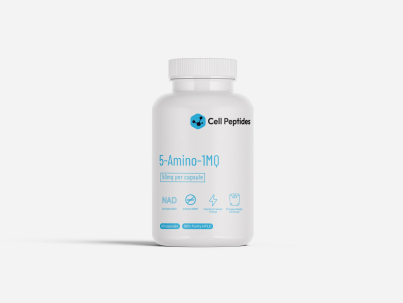

Adipotide 5mg
$49.00
AOD9604 5mg
$49.00
Cagrilintide 5mg
$68.00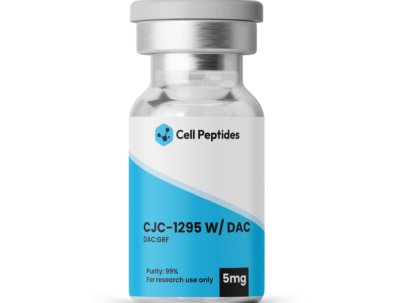
CJC-1295 w/ DAC 5mg
$49.00
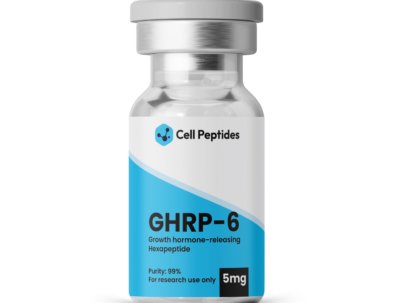
GHRP-6 5mg
$35.00