
 Cart is empty
 Peptides for muscle and body composition research are studied primarily for their roles in anabolic signaling pathways.
Other areas of research also include growth hormone signaling, IGF-1 activity, and tissue-recovery mechanisms. On this page, researchers exploring GH secretagogues, IGF-1 pathway compounds, and repair-focused peptides will find related information and research products for use in controlled laboratory settings.
You can see all related research peptides for muscle development and body composition below, and for more in-depth information you can read our guide below.
Peptides for Muscle Growth & Body Composition Research
Important Research-Use Notice:
The information below is intended only for qualified researchers, laboratory professionals, and educational readers reviewing published scientific literature. Any mention of “dose,” amount, concentration, administration method, timing, or study protocol refers only to values reported in research studies and must not be interpreted as a recommendation, instruction, or suggestion for human or animal use.
Products and substances discussed on this page are supplied, where legally permitted, strictly for laboratory research, analytical, or in-vitro purposes. They are not approved medicines, supplements, foods, cosmetics, or veterinary products. They are not intended for human or animal consumption, injection, ingestion, topical use, self-experimentation, performance enhancement, or therapeutic use.
We do not provide medical advice, dosing guidance, treatment recommendations, or personal-use instructions. Do not purchase or use these materials for personal, clinical, athletic, bodybuilding, or veterinary purposes. Compliance with all applicable laws, import rules, institutional policies, and safety requirements is the responsibility of the purchaser and reader.
Peptides for muscle and body composition research are studied primarily for their roles in anabolic signaling pathways.
Other areas of research also include growth hormone signaling, IGF-1 activity, and tissue-recovery mechanisms. On this page, researchers exploring GH secretagogues, IGF-1 pathway compounds, and repair-focused peptides will find related information and research products for use in controlled laboratory settings.
You can see all related research peptides for muscle development and body composition below, and for more in-depth information you can read our guide below.
Sort By:
Default

BPC-157
$39.00 $69.00Price range: $39.00 through $69.00
CJC-1295 w/ DAC 5mg
$49.00
GHRP-6 5mg
$35.00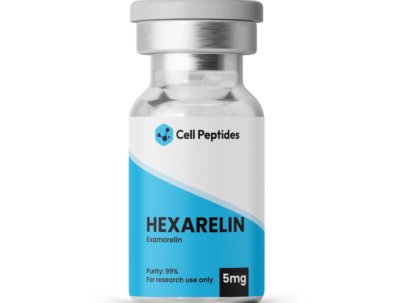
Hexarelin 5mg
$39.00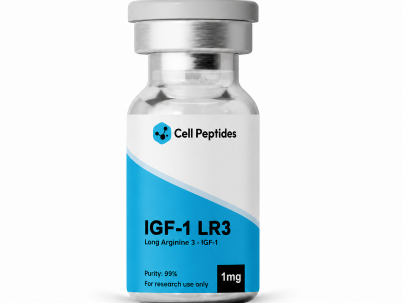
IGF-1 LR3
$89.00
Ipamorelin 5mg
$45.00What Are Peptides for Muscle & Body Composition Research?
Put simply, a peptide is a short chain of amino acids linked by peptide bonds. They sit somewhere between individual amino acids and full proteins. Many peptides act as signalling molecules in biological systems, influencing specific cellular and physiological pathways.
Peptides for muscle-development research are studied for their effects on specific biological processes such as appetite signalling, satellite-cell activity, systemic recovery pathways, and muscle-repair mechanisms.
According to the NCBI Bookshelf, “Peptides play an essential role in fundamental physiological processes and are necessary for many biochemical processes.” In muscle and body-composition research, peptides provide tools for examining specific signalling pathways rather than functioning as conventional bodybuilding supplements.
A lot of these research compounds are grouped according to their relationship with performance biology, anabolic signalling, and tissue repair. So, then, the next question is clear: what are peptides used for in muscle and body-composition research? Mostly to study three areas: GH secretagogues, IGF-1 analogues, and tissue-repair peptides. Knowing these three areas helps explain how peptides are investigated in muscle-development research.
- GH secretagogues include GHRH and GHRP classes that signal the pituitary to release growth hormone.
- IGF-1 analogues act further downstream on muscle-cell signalling pathways.
- Tissue-repair peptides are studied for angiogenesis, collagen synthesis, cell migration, and recovery biology.
How Do Peptides for Muscle & Body Composition Research Work?
There are several peptide classes investigated in muscle-development and body-composition research. Their mechanisms differ substantially depending on the receptor system or pathway being studied, and the strength of evidence also varies between compounds.
It’s important to look at what these peptides do in research contexts and experimental models. There is no single list of peptides guaranteed to produce the same outcome across models, but three major research categories are commonly discussed:
- GH Secretagogues: A secretagogue is a substance that stimulates another tissue or organ to release a biological compound such as a hormone. CJC-1295, Ipamorelin, GHRP-6, Hexarelin, and Sermorelin are studied for pituitary GH-release pathways, for example. Human studies with CJC-1295 and Hexarelin have demonstrated their ability to influence GH secretion. [1] [3] The pathway can be described as: peptide signal > GH pulse > liver IGF-1 production > downstream effects on protein-synthesis, nitrogen-balance, and recovery-related markers.
- IGF-1 Analogues: PEG-MGF is studied as an IGF-1-related variant. IGF-1 signalling is linked with the PI3K/Akt/mTOR pathway, which is heavily researched in skeletal-muscle growth and repair biology. [4] MGF-related research has also examined muscle progenitor-cell activity and fusion potential. [5]
- Tissue Repair Peptides: Muscle and connective tissue undergo structural changes and repair processes following mechanical stress or injury. BPC-157 is studied for pathways involving tendon repair, fibroblast activity, and cell migration. [6] Thymosin beta-4 research relevant to TB-500-related discussion has examined angiogenesis, collagen deposition, cell migration, and wound-repair biology. [7]
Even the most widely studied peptides in muscle-development research do not simply “build muscle.” Research instead focuses on how these compounds influence signalling systems associated with growth, repair, recovery, and tissue adaptation.
Types of Peptides for Muscle Growth & Body Composition Research
There are several types of peptides studied in muscle-growth and body-composition models. Each class fits a different research question. Below is a concise summary of commonly investigated compounds:
| Peptide | Class | Primary Research Focus |
| CJC-1295 w/ DAC | GHRH | Sustained GH signalling research [1] |
| Ipamorelin | GHRP | Selective GH-release research |
| GHRP-6 | GHRP | GH stimulation + appetite signalling research |
| Hexarelin | GHRP | GH-release pathway research [3] |
| Sermorelin | GHRH | Pulsatile GH-signalling research |
| PEG-MGF | IGF-1 Variant | Satellite-cell and hypertrophy-related research |
| BPC-157 | Regenerative Research Peptide | Muscle, tendon & ligament repair pathways [6] |
| TB-500 | Regenerative Research Peptide | Recovery & regeneration-related pathways |
Different peptide classes correspond to different experimental questions. For example, TB-500 5mg is studied in tissue-remodelling and recovery-related research, while Hexarelin 5mg is investigated for GH-secretagogue activity and GH-release pathways. [3]
Some experimental studies investigate GHRH and GHRP compounds within the same research design because they influence different components of GH-release signalling. Any multi-compound protocol should be based on a defined scientific rationale and validated experimental methodology.
These are some of the most common peptides in muscle-development research, and they also appear frequently in performance-biology and body-composition laboratory studies. Researchers generally separate GH secretagogues, IGF-1-related compounds, and tissue-repair peptides according to the biological pathway being investigated.
What Does the Research Show?
Some pathways relevant to muscle-development research are well characterized, but the evidence is not equal across compounds. Clinical evidence, preclinical evidence, and mechanistic data should therefore be considered separately.
- GH Secretagogues: CJC-1295, Ipamorelin, and GHRP-6 have animal and early human research behind them. Studies have examined changes in GH and IGF-1 levels. CJC-1295, in particular, produced sustained increases in GH and IGF-1 in healthy adults. [1] A separate human study found that GH secretion remained pulsatile during prolonged CJC-1295 stimulation. [2] Whether these hormonal changes translate into consistent muscle-development outcomes depends on the compound, population, and study design.
- IGF-1 / PEG-MGF: Research into these pathways focuses on anabolic signalling. IGF-1 is strongly linked with PI3K/Akt/mTOR activity, protein synthesis, and skeletal-muscle hypertrophy mechanisms. [4] MGF-related research has additionally examined activation and fusion potential of human muscle progenitor cells. [5]
- BPC-157 + TB-500-related Research: BPC-157 and thymosin beta-4-related pathways are often investigated in tissue-repair research. BPC-157 research includes tendon outgrowth, fibroblast survival, and cell migration. [6] Thymosin beta-4 research has examined cell migration, collagen deposition, angiogenesis, and wound repair. [7]
The laboratory evidence is interesting, but much of the data remains preclinical. Human research is limited for many compounds, and further clinical studies are required to characterize long-term safety and biological effects.
How to Handle Peptides for Muscle Research in the Lab
Working with peptides in muscle-development research requires compound-specific preparation and validated experimental methodology. Not all peptides have the same stability, solubility, evidence base, or laboratory requirements, so researchers should rely on relevant published literature and technical documentation.
- For reconstitution, use an appropriate sterile laboratory solvent based on the compound’s specifications, solubility characteristics, and experimental protocol.
- Storage requirements should follow compound-specific stability information rather than applying one temperature or stability window to every peptide.
- Where relevant, minimize unnecessary freeze-thaw cycles and follow validated aliquoting procedures.
- Experimental concentrations should be derived from published methodology and documented clearly. Researchers may use a peptide research calculator to assist with laboratory concentration and volume calculations.
- Work under appropriate laboratory conditions and label each preparation with the date, concentration, compound name, and relevant batch information.
How to Choose the Right Peptide for Your Research Goals
Perhaps the most important consideration is matching the research question to the appropriate peptide class. Muscle-development research can involve GH signalling, IGF-1 pathways, satellite-cell biology, connective-tissue repair, or recovery-related mechanisms, and each requires a different experimental approach.
Depending on what you’re studying, here’s what to research deeper:
- GH Signalling: GH secretagogues such as CJC-1295, Ipamorelin, and GHRP-6
- Anabolic Signalling or Hypertrophy Models: IGF-1-related compounds such as PEG-MGF
- Recovery & Tissue Repair: Research peptides such as BPC-157 and TB-500
- Multi-Pathway Research: Evaluate pathway overlap, experimental rationale, compatibility, and potential confounding variables
Among the available peptides used in muscle-development research, researchers should first define the biological pathway and endpoints they intend to study. This makes it easier to identify which compound warrants further investigation.
Safety & Regulatory Notice
All research-only peptides discussed on this page are supplied strictly for laboratory investigation. They are not presented as approved products for muscle building, athletic performance enhancement, self-experimentation, or personal use.
Researchers should store compounds correctly, follow institutional safety protocols, document experimental procedures, and dispose of laboratory waste responsibly. Regulatory status and available clinical safety data vary considerably between compounds.
These compounds should be treated as experimental research materials rather than bodybuilding supplements or performance-enhancement products.
Warning: CellPeptides research products are intended for laboratory and scientific investigation only. They are not supplied for personal, clinical, or athletic use.
Conclusion
GH secretagogues, IGF-1-related compounds, and tissue-repair peptides each represent a different research angle. GH and IGF-1 signalling is distinct from connective-tissue repair, while recovery-related pathways involve additional mechanisms such as angiogenesis, collagen synthesis, and cell migration.
GH secretagogues are widely used as research tools for investigating GH and IGF-1 signalling, while IGF-1-related compounds focus more directly on skeletal-muscle regulation, satellite-cell biology, and protein-synthesis pathways. Research peptides such as BPC-157 and TB-500 are investigated primarily for angiogenesis, tissue repair, and recovery-related mechanisms.
For a more detailed breakdown, read our guide to peptides for muscle-development research. Researchers can browse the CellPeptides collection to match research compounds with specific study pathways and experimental goals.
FAQs
What peptides are commonly studied for muscle-development research?
It depends on the research pathway. GH secretagogues such as CJC-1295, Ipamorelin, GHRP-6, Hexarelin, and Sermorelin are studied for GH and IGF-1 signalling. PEG-MGF is studied for IGF-1-related anabolic pathways. BPC-157 and TB-500 are investigated for tissue-recovery and repair-related mechanisms.
Are peptides studied in muscle-growth research?
Yes. Different peptides are used to investigate growth-hormone release, IGF-1 signalling, satellite-cell activity, collagen synthesis, tissue repair, and other biological processes relevant to skeletal-muscle research. This does not make them approved muscle-building products or conventional gym supplements.
What are the most commonly studied peptides in performance-biology research?
Frequently discussed compounds include CJC-1295, Ipamorelin, GHRP-6, Hexarelin, Sermorelin, PEG-MGF, BPC-157, and TB-500. These map to major research categories such as GH signalling, IGF-1 pathways, hypertrophy-related mechanisms, and tissue-recovery biology.
How much do peptides for muscle-development research cost?
Pricing depends on the compound, vial size, analytical testing, batch documentation, and supplier. Researchers comparing products should look beyond price and consider HPLC verification, identity testing, purity data, batch consistency, and clear research-use labelling.
Are there new peptides for muscle-development research?
Yes, new compounds continue to be investigated around tissue repair, anabolic signalling, mitochondrial function, metabolic pathways, and selective receptor activity. Early-stage research should not be interpreted as established efficacy or safety.
Are male and female models both used in muscle-development peptide research?
Yes. The same compound may be investigated in male and female experimental models, but research design should account for sex-based biological variables. These may include hormonal environment, receptor expression, metabolism, body composition, and recovery-related responses, which should be documented clearly in experimental work.
Scientific References
[1] Prolonged stimulation of growth hormone (GH) and insulin-like growth factor I secretion by CJC-1295, a long-acting analog of GH-releasing hormone, in healthy adults – J Clin Endocrinol Metab. 2006.
[2] Pulsatile secretion of growth hormone (GH) persists during continuous stimulation by CJC-1295, a long-acting GH-releasing hormone analog – J Clin Endocrinol Metab. 2006.
[3] Growth hormone-releasing activity of hexarelin in humans: a dose-response study – European Journal of Endocrinology. 1994.
[4] Mediation of IGF-1-induced skeletal myotube hypertrophy by PI(3)K/Akt/mTOR and PI(3)K/Akt/GSK3 pathways – Nature Cell Biology. 2001.
[5] Mechano Growth Factor E peptide (MGF-E), derived from an isoform of IGF-1, activates human muscle progenitor cells and induces an increase in their fusion potential at different ages – Mechanisms of Ageing and Development. 2011.
[6] The promoting effect of pentadecapeptide BPC 157 on tendon healing involves tendon outgrowth, cell survival, and cell migration – Journal of Applied Physiology. 2011.
[7] Thymosin beta4 accelerates wound healing – Journal of Investigative Dermatology. 1999.